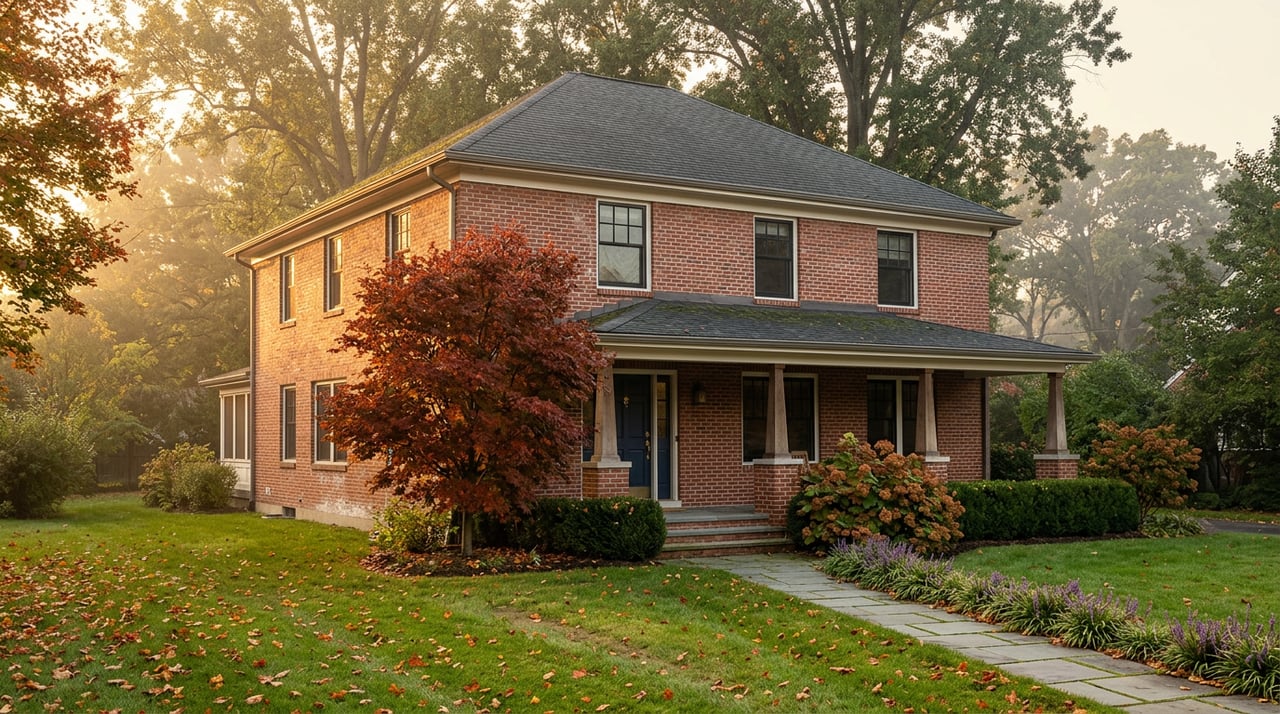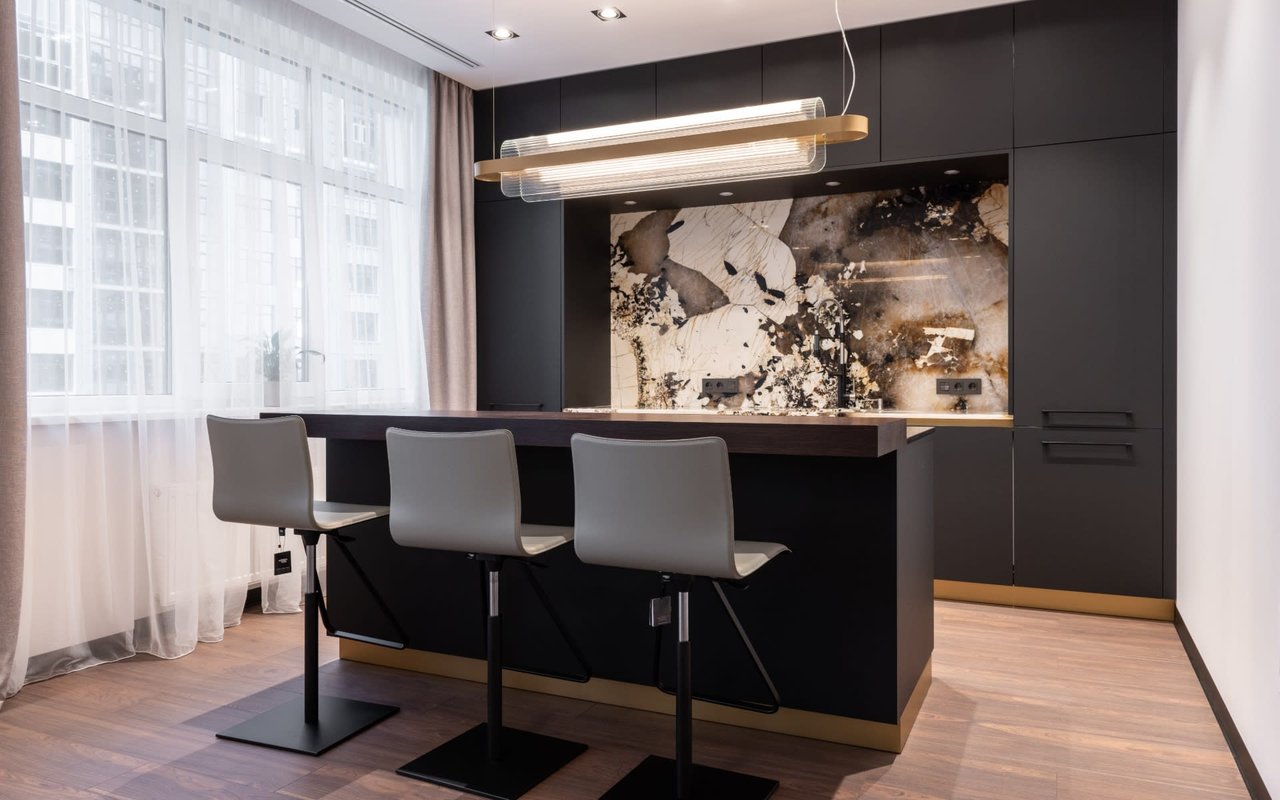
Two buyers with the same $650,000 budget can end up in completely different decades of Cary, and neither one is getting a worse deal than the other. One buys a 2019 house on a lot barely big enough for a trampoline, ten minutes from Fenton's restaurants and a straight shot down I-540. The other buys a 1988 house in Preston or Lochmere, on a lot with forty-year-old trees, a floor plan built for how people used a house before open concept existed. Same price. Same town. Almost nothing else in common.
That split is not an accident of individual listings. It comes from a specific structural fact about Cary right now: the town is running out of room to build the way it used to, and that scarcity is quietly reshaping what any given price point actually gets you.
The empty lot that explains the whole town
Drive along Old Apex Road and you will pass the fenced, vacant site of the old Cary Towne Center. Epic Games bought the 87-acre property for $100 million at the end of 2020, planning a new global headquarters there by 2024. As of a WRAL investigation in April 2026, that plan still has not moved. The site remains demolished, fenced, and untouched, sitting directly across the road from Fenton, the shopping and dining district that has become one of the busiest stretches of new Cary.
The stalled headquarters plan matters less than what it says about Cary's supply of large parcels: there are almost none left. An 87-acre tract sitting idle for years, in one of the most desirable corridors in the Triangle, is not evidence that demand is weak. It is evidence that land this size barely exists anymore inside Cary's borders. Worth noting for anyone eyeing that stretch of town: the property's zoning has reverted to an earlier approved plan called Carolina Yards, a mixed-use concept, so the site is not locked to Epic Games' original vision even if nothing has broken ground yet. Buy the house and the street as they exist today, not the parcel's next chapter.
That land constraint is the reason Cary's new construction increasingly means condos, townhomes, and infill lots rather than the sprawling single-family subdivisions still common in Apex or Holly Springs. And that shift in what gets built is the reason the town's median home price has been sending confusing signals all year.
Why the citywide number keeps moving
Over the six months ending in August 2026, Cary's tracked closings put the median sold price at $615,000, with the middle half of all sales landing somewhere between $468,500 and $827,000, according to Resideline's Market Watch data. Median price per square foot over that same window sat at $264, a figure that has stayed far steadier than the headline price.
That gap between a swinging median and a steady price per square foot is not noise. It is what happens when the mix of what's selling changes month to month. If Cary closes proportionally more lower-priced townhomes and condos in a given month, relative to large single-family homes, the median falls even though no individual home lost value. Price per square foot, because it normalizes for size, catches this shift instead of getting fooled by it.
This is exactly the pattern Cary is producing right now, and land scarcity is the reason. As the supply of buildable single-family lots shrinks, a larger share of new inventory arrives as smaller-footprint product. Every month's closing data reflects a slightly different blend of two very different housing types, which means the citywide median is currently a weaker tool than it looks for comparing your specific budget against the market.
What the same money buys across town
Pull the number down to the neighborhood level and the split becomes concrete. Over the three months ending in July 2026, West Cary's median sale price ran around $729,600, while East Cary's median sat closer to $601,500, roughly $128,000 apart inside the same town limits. East Cary homes have also been closing faster and slightly under asking, a pattern consistent with an inventory made up of older housing that needs a sharper price to compete with newer product nearby.
Here is roughly what that spread looks like by area, based on recent local reporting from this year:
| Area | Typical housing vintage | Recent price range | What the price usually reflects |
|---|---|---|---|
| West Cary / Weatherstone | New construction, 2015 to present | Median near $729,600 | Smaller lots, planned-community amenities, longer commute to downtown Cary |
| East Cary | Mixed, older homes with newer infill | Median near $601,500 | Shorter drive into Raleigh, older systems, smaller original floor plans |
| Preston / Amberly | 1990s to 2000s | Roughly $700,000 to $1.1 million | School-zone reputation, longer average ownership, slower turnover |
| MacGregor Downs | 1980s to 1990s | Roughly $450,000 to $800,000 | Larger lots, closed-off traditional floor plans |
| Carpenter Village | 1990s to 2000s | Roughly $350,000 to $600,000 | Smaller lots, more competition at the entry-level price point |
The pattern across every row is the same one playing out at the town level: newer, smaller-lot product commands a premium per square foot, while older neighborhoods trade a dated floor plan for more land and a lower entry price. Neither is the better deal in the abstract. Each is the better deal for a specific buyer.
What a 1988 floor plan actually costs you
The houses built across MacGregor Downs, Preston, and Lochmere in the late 1980s and 1990s share a set of habits from that era: a formal living room that rarely gets used, a kitchen closed off from the rest of the house, a primary bathroom with a garden tub eating most of the floor space. None of that is a defect. It is a floor plan built for how families used a house forty years ago, and it is usually fixable with one or two structural moves rather than a full renovation.
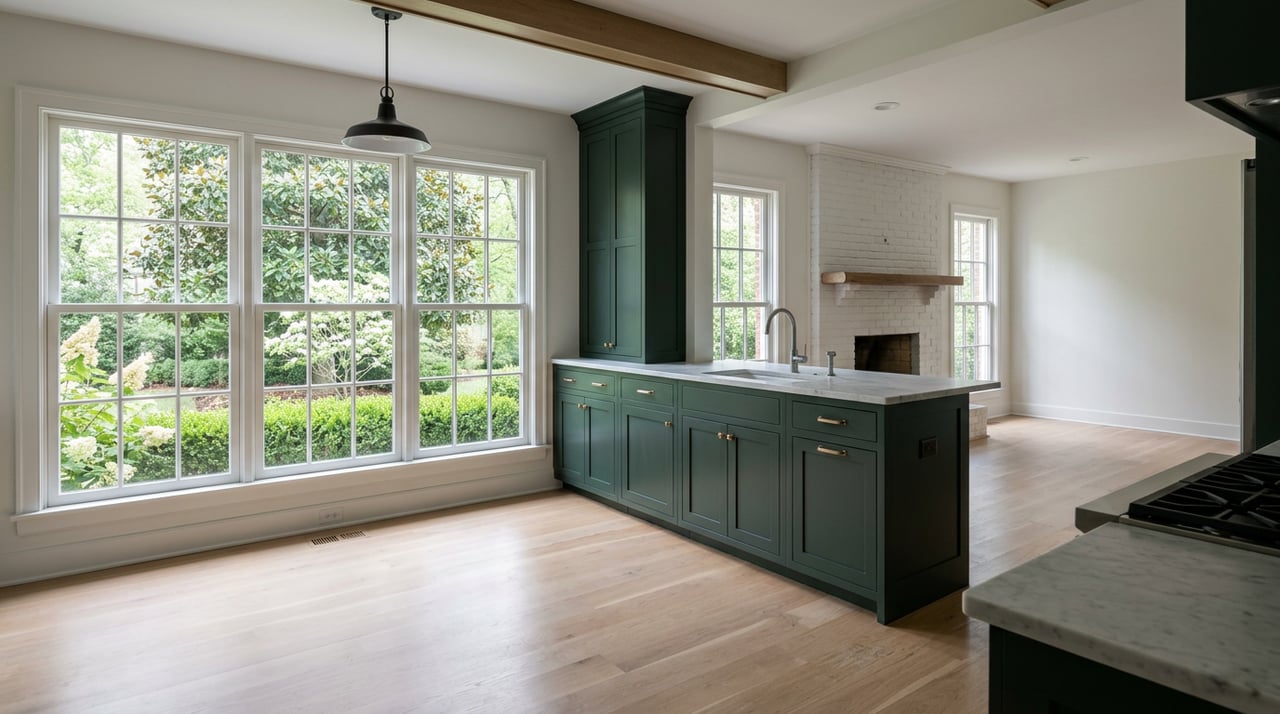
Opening a kitchen to an adjacent family room and reworking a primary bathroom layout are the two changes that most often transform how one of these houses lives day to day. The cost of making those changes is the real number to weigh against a newer home's higher per-square-foot price, not the sticker price alone. Before writing an offer on an older Cary house, it is worth walking it with someone who can tell you which walls are load-bearing and which are just in the way. Pricing a renovation off a mood board instead of off the actual structure is the most common way buyers end up disappointed six months after closing.
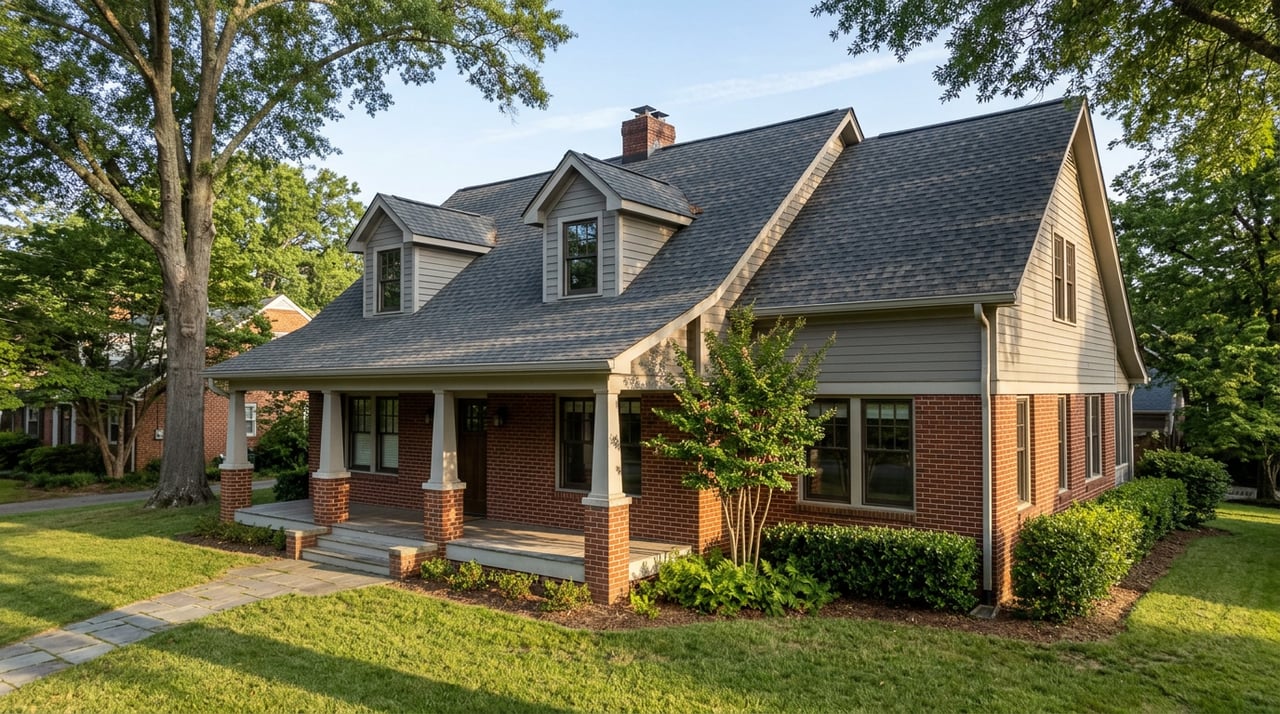
New construction carries its own version of this trade-off. A newer West Cary home generally arrives ready to move into without any of that renovation math, but it typically comes at a higher price per square foot than a comparable resale, and on a noticeably smaller lot than what the same budget buys in an established neighborhood a few miles away.
Questions worth asking before you compare two Cary listings
- If it's an older home: has the kitchen or primary bath already been opened up, or would that be your project? Ask whoever is walking the house with you to flag load-bearing walls before you get attached to a layout.
- If it's new construction: how many more lots does the builder have left nearby, and how might that pace of delivery affect resale timing a few years out?
- Either way: what did comparable homes on that specific street close for in the last six months, not what the citywide median says this month.
A couple of questions that come up often
Is Cary's falling median price a sign to wait for a better deal? Not on its own. A falling citywide median right now largely reflects more smaller, lower-priced homes closing relative to large single-family houses, not a broad decline in what individual homes are worth. Price per square foot in the specific neighborhood you're watching is a more reliable signal than the town-wide headline.
Will the old Cary Towne Center site ever get built out? There's no announced timeline as of the most recent reporting in April 2026, and Epic Games has not filed a new rezoning request. The site's zoning currently reverts to an earlier approved mixed-use plan called Carolina Yards, so redevelopment under a different concept remains possible even without a headquarters project attached to it. Buyers nearby should treat today's value on today's terms.
If you're weighing a newer house on a smaller West Cary lot against an older one with room to grow in Preston or Lochmere, that's exactly the kind of comparison worth working through with someone who tracks these submarkets closely. Reach out to Meagan Black at Triangle Home Sales and let's connect on what your specific budget actually buys right now.