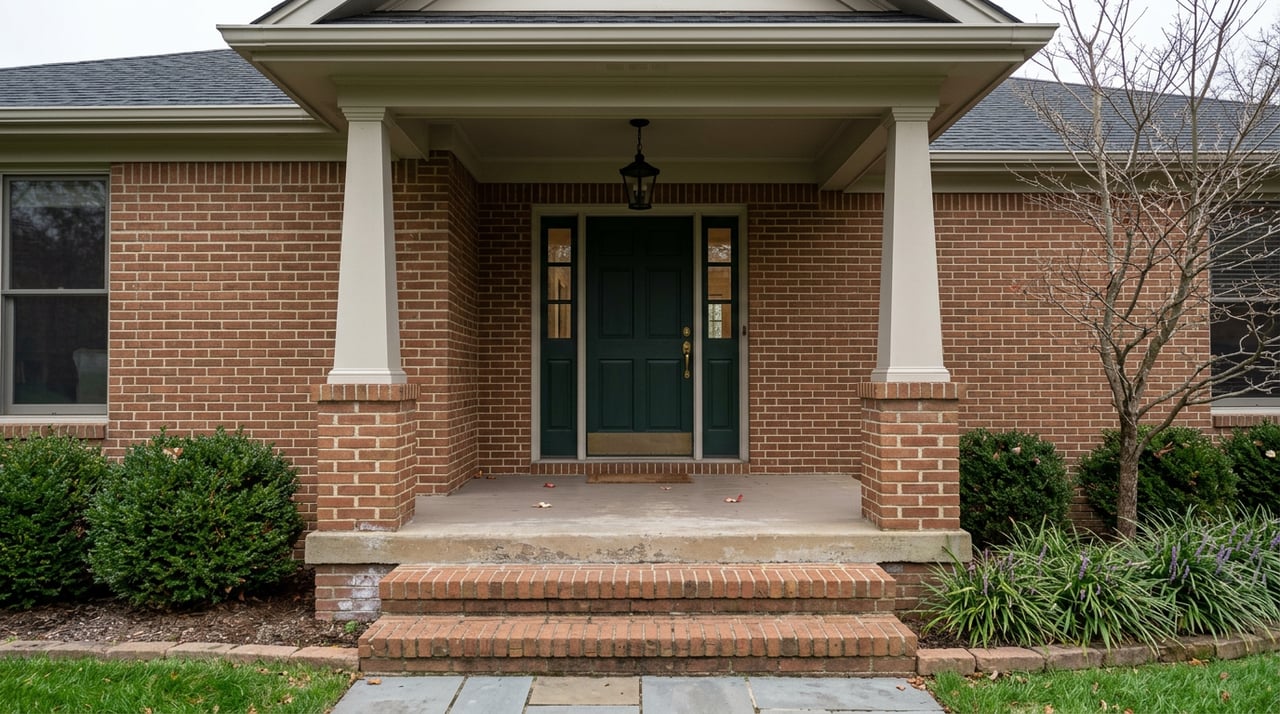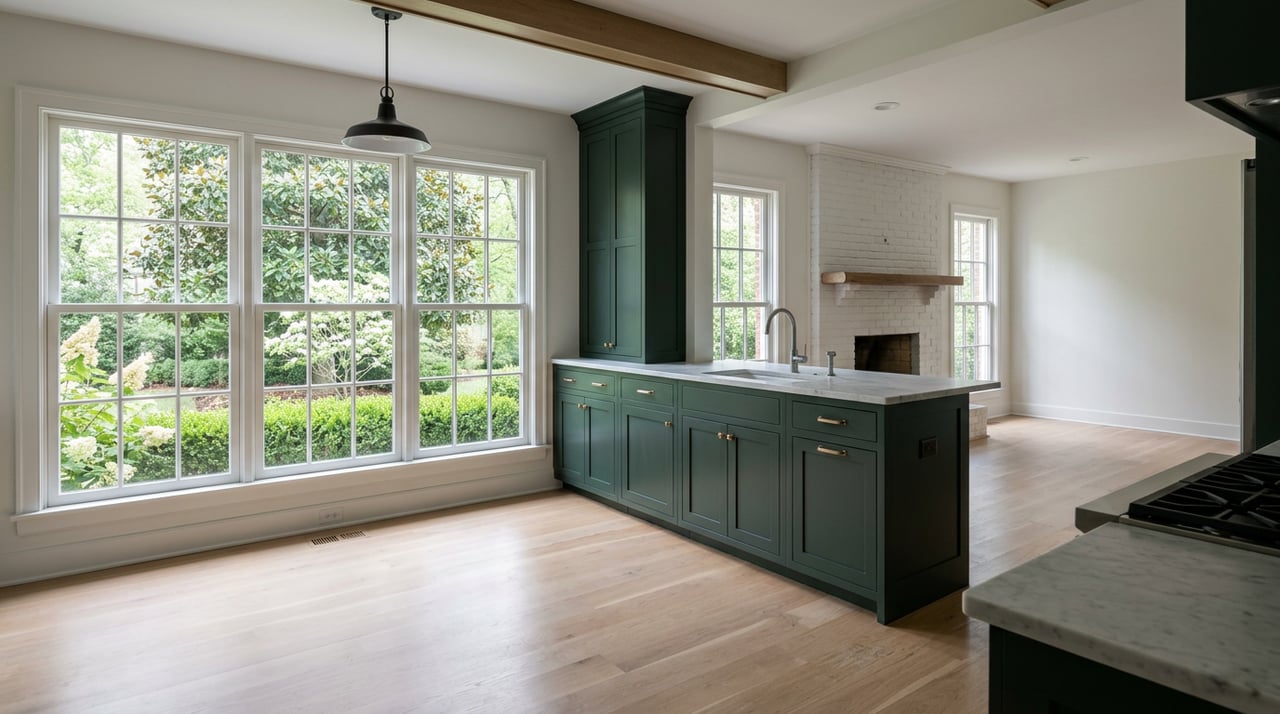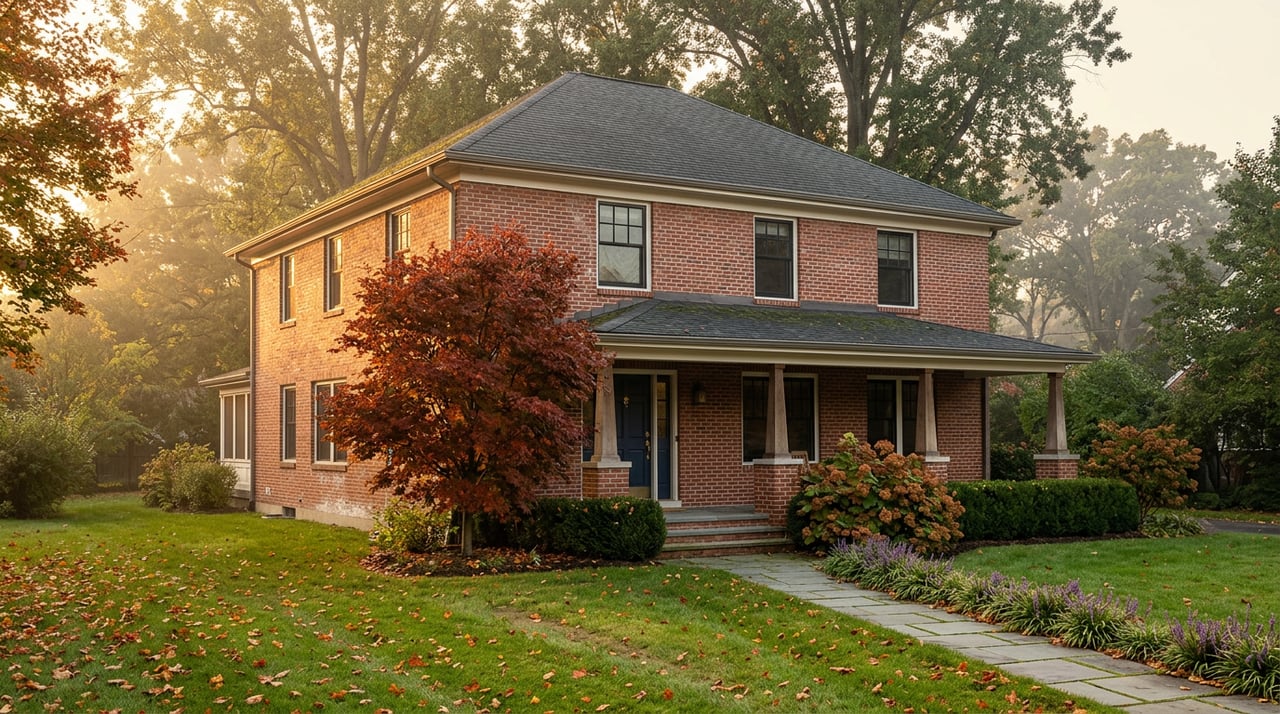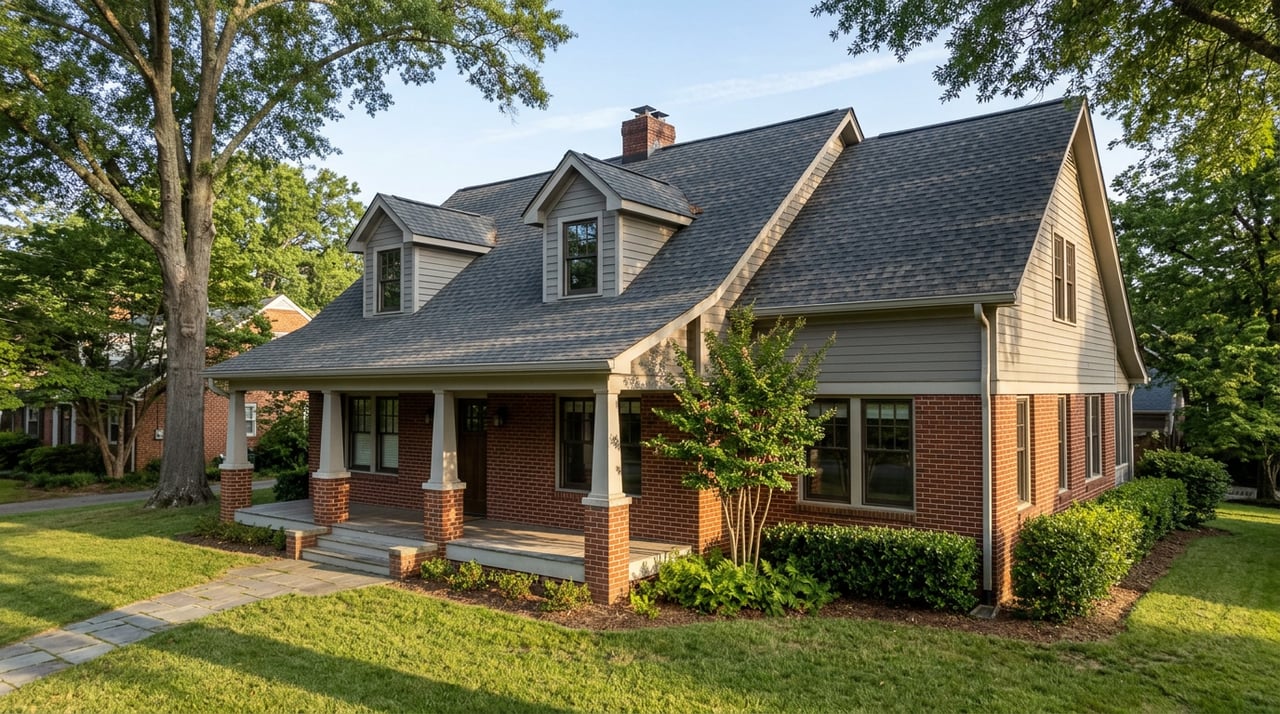
"What this neighborhood is different in substantive ways from the other LHDs in our town," architect and Durham Planning Commission member Tony Sease told a room of Trinity Park neighbors debating a question that keeps resurfacing: should Trinity Park become a Local Historic District like the neighborhoods around it?
So far, the answer has stayed no. Trinity Park's neighborhood association took the idea seriously enough to hold public meetings on it in 2020 and again in June 2021, when about 45 residents showed up, and the board still decided not to pursue the designation itself. Today Trinity Park remains what it became in 1984 and expanded into in 2004: a National Register Historic District covering 751 contributing buildings, not a Local Historic District. That distinction sounds like filing paperwork. It is actually the single most consequential fact a buyer can know before closing on a house in one of Durham's older neighborhoods,
Most buyer conversations about "historic Durham" treat the label as one thing. It isn't. Durham layers three separate kinds of historic status onto its older neighborhoods, and each one does something completely different to your renovation plans, your closing timeline, and even your neighbor's ability to tear down the house next door.
Three Designations, Three Very Different Deals
National Register Historic District. This is an honorary federal listing. The Trinity Heights Preservation Plan notes that National Register listing can open the door to certain federal tax credits for qualifying rehabilitation work. Most of Trinity Park carries only this status.
Local Historic District, or LHD. This is zoning, applied by Durham's City Council or Board of County Commissioners under North Carolina General Statute 160D-944. The City of Durham's Local Historic Districts page explains that once a property sits inside an LHD, some exterior changes require a Certificate of Appropriateness. Durham currently has eight of these: Cleveland Street, Downtown Durham, Fayetteville Street, Golden Belt, Holloway Street, Morehead Hill, Trinity Heights, and Watts-Hillandale.
Neighborhood Protective Overlay, or NPO. The Trinity Park historic-neighborhood designation page identifies Old West Durham and Tuscaloosa-Lakewood as Durham's two NPO areas.
Here's the detail that trips people up during due diligence: LHD boundaries are drawn by neighborhood organizers, and they don't have to cover an entire neighborhood. Two houses on the same block, both built in the same decade in the same architectural style, can sit on opposite sides of that line. One needs a Certificate of Appropriateness to change out a window. The other doesn't. Durham's DurhamMaps GIS site lets you check a specific address against the local historic district layer before you write an offer, and it's worth doing before you fall for a house rather than after.
How Trinity Park's Status Affects Design Review
Trinity Park offers one example of how designation status can affect a neighborhood. As of early 2026, the median sale price in Trinity Park sat around $749,000, close to double the citywide Durham median. The neighborhood has no LHD designation.
During the 2020 and 2021 meetings, the Trinity Park historic-neighborhood designation page reports residents' concern that, with ten other downtown neighborhoods carrying development restrictions, Trinity Park could increasingly become the one place left where a teardown doesn't need anyone's sign-off. Buyers considering Trinity Park for its architecture may want to weigh that alongside the lower barrier to their own renovation plans.
What a Certificate of Appropriateness Actually Covers
For buyers looking at Trinity Heights, Watts-Hillandale, Morehead Hill, or any of Durham's other LHDs, the Certificate of Appropriateness process is the thing to understand before you sign a contract, not after.
Durham's Historic Preservation Commission is a nine-member volunteer board: four appointed by the City, four by the County, and one by the Mayor. Five seats are reserved for specific expertise: an attorney, a historian, an architect, a landscape architect, and a real estate professional. The Commission holds quasi-judicial hearings and reviews every major, minor, and master Certificate of Appropriateness that comes through.
Not every project gets the same level of scrutiny. The Trinity Park historic-designation meeting page says minor changes, like a rear deck, get processed administratively; major changes, like a new garage or an accessory dwelling unit, go in front of the full Commission, and paint color is never reviewed. If you're planning a project on a house in one of these eight districts, the smart move is confirming with Planning staff which category your project falls into before you budget a timeline for it, since a major review adds a hearing to a process that would otherwise be a quick permit pull.
What's Waiting Behind the Plaster
Designation type is the paperwork question. The other question shows up on the inspection report.
Trinity Park, Trinity Heights, Old West Durham, and the other early-1900s neighborhoods clustered near downtown and Duke's East Campus are full of houses built before 1950, and that means knob-and-tube wiring is a real possibility, not an exotic finding. That wiring has no ground, and Durham electrical contractors flag two-prong outlets, absent ground wires, and panels that were never sized for a modern 200-amp household as the common red flags in these older systems. Cast-iron drain lines in the same houses can crack with age, and an inspector running water at multiple fixtures at once is checking for exactly that.
None of this means walk away from the house. It means budget for it. Buyers in older-home markets generally handle these findings one of two ways: asking the seller to complete the repair before closing, which is more realistic when a house has sat on the market a while, or negotiating a closing credit sized to an actual electrician's quote and handling the rewire on their own timeline after moving in. Either way, get the number from a licensed electrician before you're negotiating off a guess.
Before You Write the Offer
If you're looking at a house in Trinity Park, Trinity Heights, Watts-Hillandale, Morehead Hill, Old West Durham, or any of Durham's other historic-adjacent neighborhoods, four checks save you time later:
- Look up the address on DurhamMaps to confirm whether it sits inside a Local Historic District boundary, since the neighborhood name alone won't tell you.
- If it is inside an LHD, ask Planning staff whether your renovation plans would need a Minor or Major Certificate of Appropriateness, and build that review time into your timeline before you commit to a contractor's schedule.
- If the house was built before 1950, get a licensed electrician's opinion on the wiring alongside your general home inspection, not after.
- Read the neighborhood's Preservation Plan if one exists. Durham publishes these for each LHD, and they spell out exactly what the Commission is looking for in a design review.
A Few Questions Worth Asking Directly
Does National Register listing mean I need city approval to replace my windows? Check whether the address is inside an LHD and confirm the requirements for the proposed work with Planning staff.
Could Trinity Park still become a Local Historic District someday? It's been debated for years, most recently in 2021, and the neighborhood association chose not to pursue it as a board initiative.
Is a roof replacement going to trigger a Certificate of Appropriateness in an LHD? The safest move is confirming your specific project with Historic Preservation Commission staff before you assume either way.
Buying in one of Durham's older neighborhoods means buying into a specific set of rules for that specific address, not a general feeling about "historic charm." Knowing which of the three systems applies before you're under contract is the difference between a smooth close and a renovation plan that stalls in front of a commission you didn't know existed.
If you're weighing a house in Trinity Park, Watts-Hillandale, Old West Durham, or anywhere else in Durham's older core, Triangle Home Sales can walk the district maps and inspection realities with you before you write an offer. Let's Connect.
This article is general information, not legal, tax or financial advice. Consult a qualified professional about your situation.