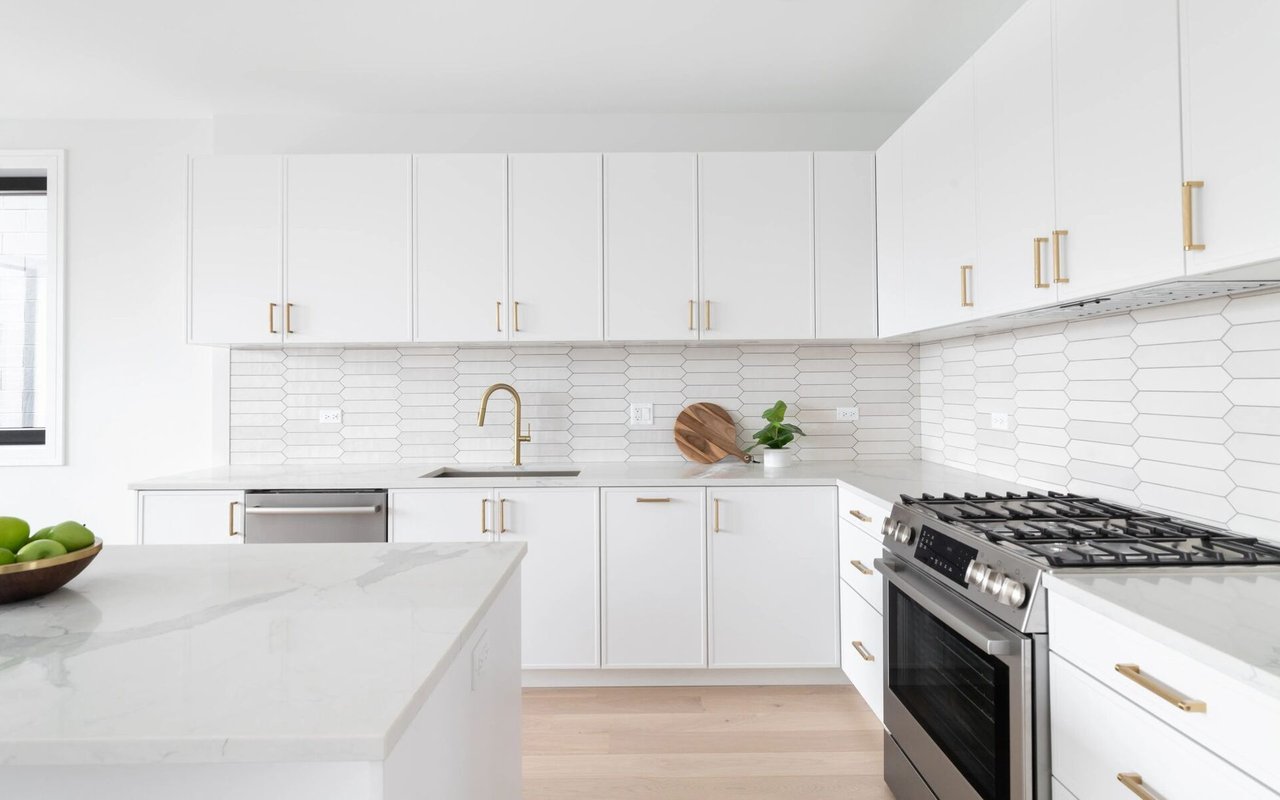

Thinking about relocating to Durham, North Carolina? You are not alone. Durham has become one of the most talked-about cities in the South, and for good reason. Before you pack your bags, here is an honest, straightforward look at what it actually costs to live here.
Cost of Living in Durham, NC vs. National & State Average
Durham's overall cost of living sits just below the national average — about 1 to 1.5% lower, to be exact. Compared to the statewide average, it runs about 3% higher, which makes sense given that Durham is one of North Carolina's larger cities.
So it is not the cheapest place in the state, but it is far from unaffordable. You are getting a lot of city for the price.
Groceries
Groceries in Durham run about 2% above the national average. A carton of eggs is around $4.50, milk is about $4.80, and a loaf of bread will run you close to $4. Bacon lovers, budget around $5–$8 depending on your brand of choice.
If you enjoy local spots, MoonBelly is a local butcher worth checking out, and Guglhupf Bakery makes arguably the best bread in the state. Fair warning — the brownies are dangerous.
Healthcare
Healthcare in Durham runs about 4% higher than the national average. A standard doctor's visit averages around $143, dental visits come in around $126, and a vet visit for your pets averages about $68.
The good news? Durham is home to Duke Hospital, one of the best medical facilities in the entire country. You are paying a little more, but the quality of care is hard to beat.
Housing
The average home value in Durham sits around $382,000 when you factor in townhomes and single-family homes. If you are only looking at single-family homes, that number jumps closer to $399,000.
New construction median prices are down about 3% year over year, which has opened the door to some solid incentives like rate buy-downs and seller concessions. Whether you want new construction or resale, Durham has options.
Utilities
This is actually where Durham saves you money. Residents pay around 14.09 cents per kWh, which is about 15.8% below the national average. Monthly utility bills typically fall between $145 and $208.
So while housing and healthcare might cost a bit more, your electric bill gives a little of that back.
Rental Cost
Renting a two-bedroom in Durham will run you around $1,300 to $1,500 a month. A three-bedroom or larger sits closer to $1,900 to $2,300 per month.
That adds up to roughly $18,000 to $24,000 a year in rent. If you plan to stay in Durham long-term, buying sooner rather than later is worth thinking about.
Gas & Parking
Gas in Durham averages around $2.89 per gallon, and car insurance typically runs between $95 and $122 per month. You can get around downtown without a car, but if you plan to explore the wider Triangle area, you will want one.
Parking in the city costs around $2.25 to $2.50 per hour. Weekdays are generally easy, and even weekends are manageable with the parking decks available throughout the city.
Daycare
Daycare is one of the bigger expenses for families here, ranging from $275 to $350 per week. If you prefer an in-home nanny, expect to pay around $20 per hour for quality care.
One highly rated option is The Wildflower Cottage for Children, which uses a nature-based, Reggio-inspired approach. It is the kind of place that makes drop-off a little less painful.
School
Private school tuition in Durham averages around $17,000 a year. Durham Academy is one of the most well-known options, with a 100% graduation rate and tuition ranging from $28,000 to $38,000 annually.
For college, in-state tuition at Durham institutions averages around $7,600, while out-of-state students pay closer to $21,000. Duke University sits on the higher end at over $68,000 per year.
Median Wage
Durham's median wage sits around $63,000 per year, with the average household income coming in at about $80,000. To live comfortably as a family of four, most financial planners suggest budgeting around $8,000 a month.
For a single adult, closer to $4,000 a month should cover a comfortable lifestyle in this city.
Bottom line — Durham is a well-rounded city that gives you a lot of value for your dollar. Housing and childcare are your biggest budget items, but utilities and transportation help balance things out. If you are thinking about making the move and want to know what your budget actually looks like here, reach out to Meagan Black, a local Durham realtor who can walk you through it all.
```